Featured
Table of Contents
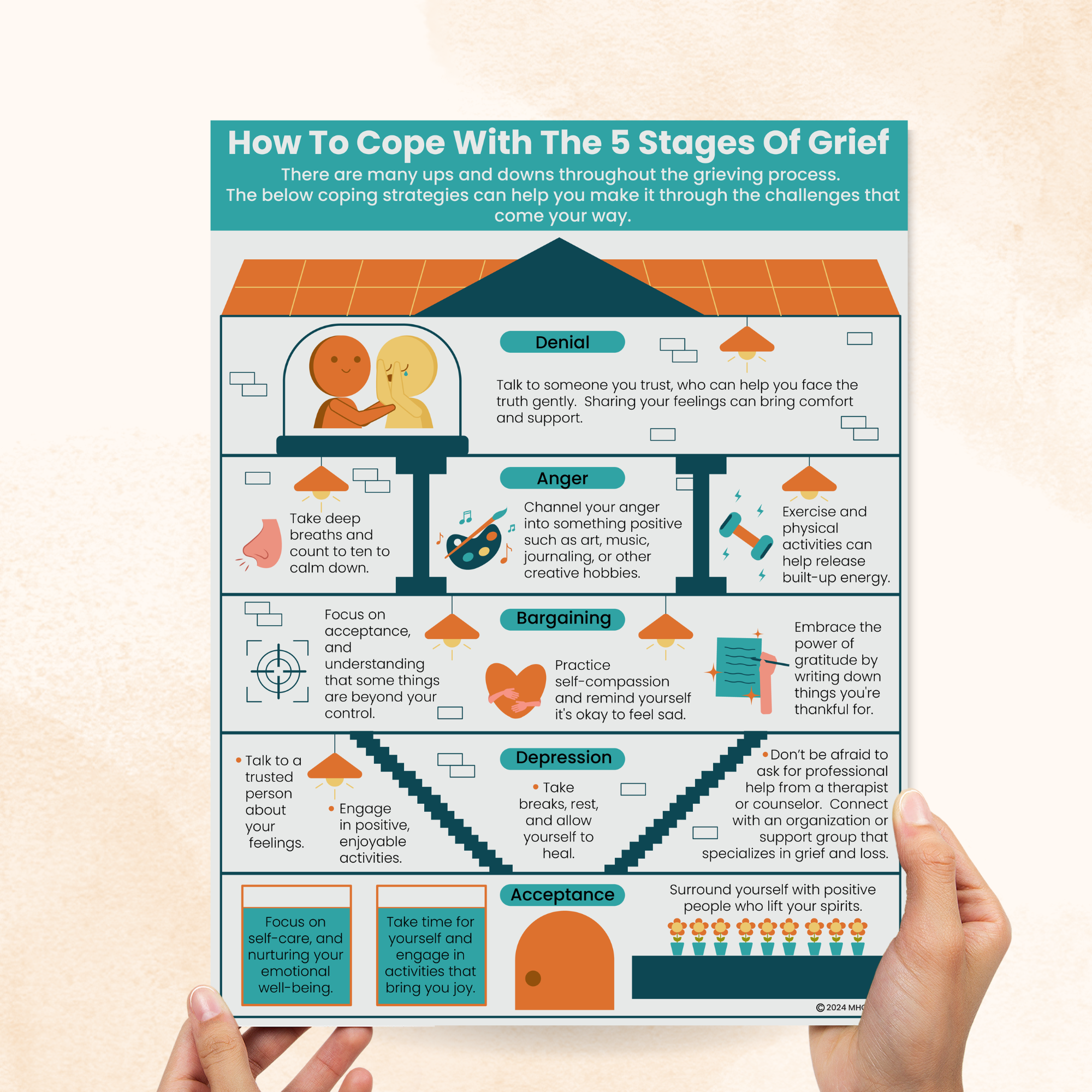
Grief is a challenging procedure that differs from one person to another. The 5 stages of despair denial, rage, bargaining, clinical depression, and approval are a useful structure for considering grief, yet it doesn't mean we'll experience every phase. In a similar way, we can experience these elements of grief at various times, and they don't take place in one certain order.
This website makes use of cookies to help personalise web content, customize your experience and to maintain you logged in if you sign up. By proceeding to use this site, you are granting our use cookies.
The 7 phases of pain are a template for how an individual may regret. This cyclical structure is meant to aid you much better understand your feelings and is not meant to recommend just how you must regret, what you should be feeling, or in which order. Everybody grieves in a different way. Each stage may come and go or overlap the others.
Discover much more regarding the seven phases of sorrow. Sorrow can be a tough and unpleasant process.
The Science Validating EMDR for Trauma Processing
That's due to the fact that no one can ever be absolutely planned for a loss so substantial. As a result, when you remain in shock after a loss, you might act normally or as though absolutely nothing has actually happened. The majority of the time, this is because your body has not refined the loss yet. You may seem like the circumstance hasn't "sunk in" right now.
These feelings and experiences are self-protective systems that work as a barrier so that you are not bewildered at one time. Since the death of an enjoyed one can have such a significant effect on you, you could experience rejection. Throughout this phase of grief, it is merely too hard for your brain to comprehend that your member of the family, pal, or various other liked one is gone.
As you slowly begin to approve the loss and what it implies for your life currently, your denial will certainly start to lessen. You might have a more comprehensive array of feelings and feelings when rejection wears off. Until then, you may have periods when you really feel distressed, which can be set off by reminders of your enjoyed one.
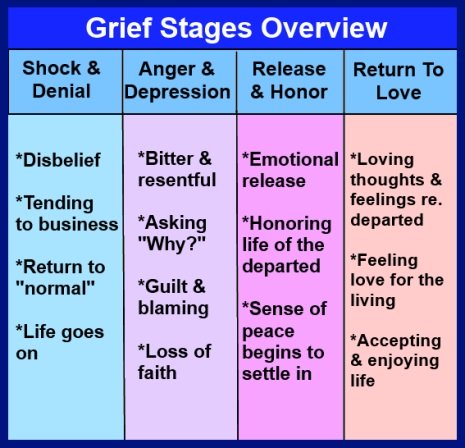
Sometimes, it's a normal feeling to intend to prevent others to make sure that you do not need to recognize or review your loss. Sometimes, you feel absent-minded, get conveniently distracted, or hesitate throughout this phase of grief. You may likewise try to stay active at all times or closed down emotionally.
Transforming Achievement-Oriented Parts in Healthcare Workers
In certain scenarios, you could additionally feel upset with the health care companies, your close friends, relative, God, or any type of various other spiritual being(s) you think in. Yet under all that temper is your pain. While it might be unpleasant to handle, it gives more structure to your grieving than remaining numb.
Throughout this phase, people usually feel defenseless and helpless and ask themselves "suppose" concerns. You might really feel guilty for not doing more to keep the loss from taking place or for not investing even more time with the individual you shed. Throughout the bargaining phase, it prevails to wonder or state, "I ought to have done this ..." or "If I had actually only done that ..." While these kinds of doubts are typical, they are not where you desire your idea process to remain.
Releasing Healthcare-Related PTSD Through IFS / Parts Work Therapy in Los Angeles
Rather, try thinking of any great memories you have with them. Occasionally, just assessing these ideas can help you allow go of the regret. It might also be helpful to do something specific, like compose a letter to your enjoyed one or talk to them out loud. As soon as you pertain to terms with the reality of the loss, a much deeper level of despair might begin to slip in.

You can also go to for a checklist of extra resources or call the number listed below to reach Drug abuse and Mental Health Solutions Management (SAMHSA) hotline. The testing stage of the mourning procedure typically includes experimenting with various points that aid you move on. In this phase, you are beginning to develop your new regular along with refining your feelings and emotions developed by the loss.
Reaching the approval phase does not indicate you are okay with what took place. Instead, this part of the mourning process is much more concerning approving what your life resembles now. You will still require to pay attention to your sensations and readjust, but you will certainly begin to really feel more wholeeven if it looks various than it did before.

Latest Posts
Payment and Accessibility Options
Body-Based Therapy for Anxiety in High-Achievers
Social Anxiety in High-Achieving Individuals