Featured
Table of Contents
With the right assistance and techniques in area, it is possible to cope with injury and live a serene life. There are several means to recover from trauma.
Traumatic occasions can have a long lasting effect on our psychological and emotional wellness. When we assume of injury and trauma healing, our initial thoughts may go to professionals and initial -responders.
This "Window of Resistance" differs from person to person and can be influenced by injury, anxiety, and other aspects. In the 2nd phase, you share your story of injury with the specialist, placing words and sensations on the memory. The goal is to start to recover from the trauma and reconstruct unfavorable beliefs concerning the globe, yourself, and partnerships.
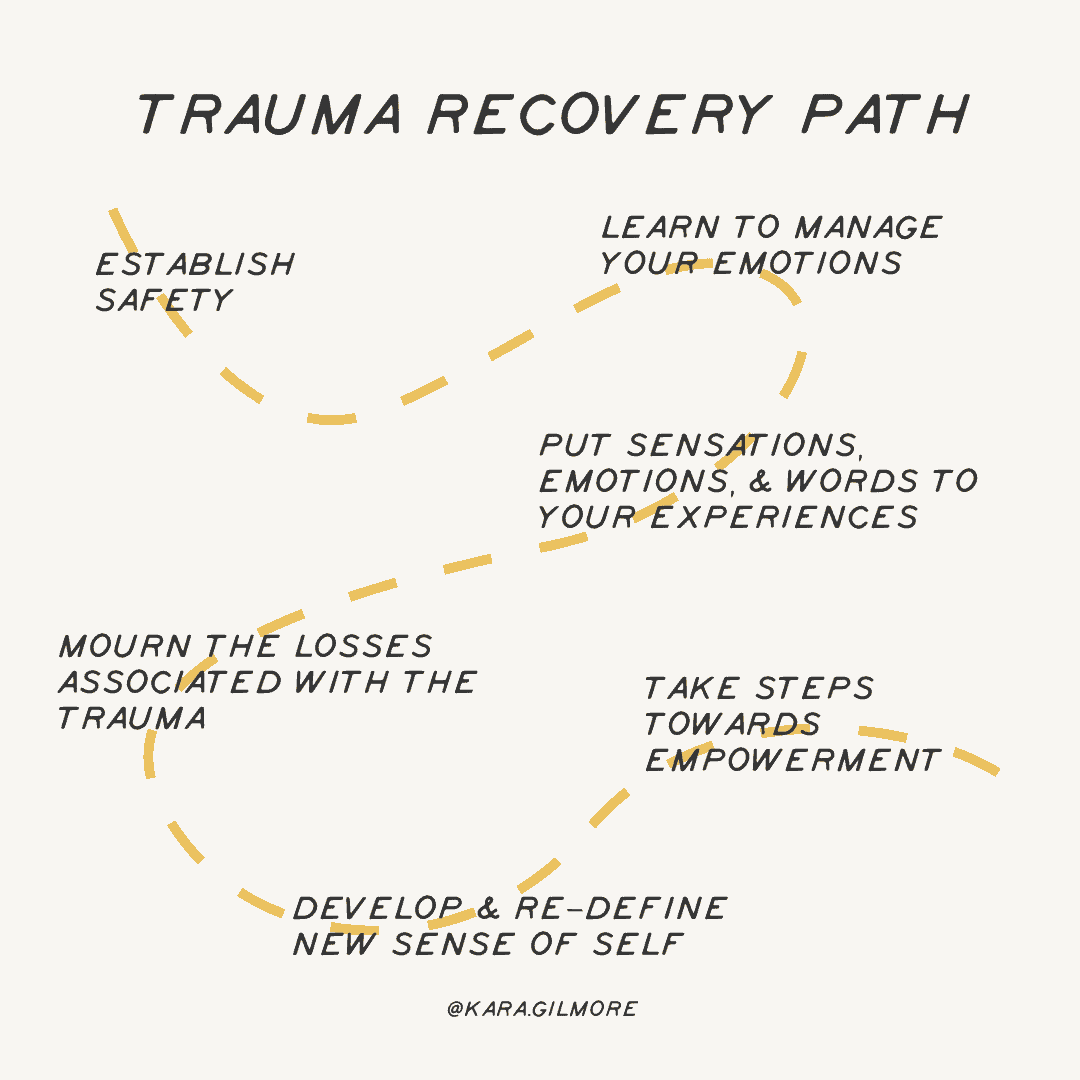
The last concentrates on rehabilitating you right into your daily life and relationships with a feeling of empowerment and control. Throughout this phase, focusing on self-care is essential. You establish brand-new ideas and life-affirming links rather than old ideas drunk by the distressing occurrence. This procedure helps to restore a feeling of significance and purpose in your life.
Post-Session Work Between Eye Movement Desensitization and Reprocessing
Although based upon men, Herman's stages also put on females and can be made use of with all type of youngster misuse psychological or physical. These stages of injury are extremely similar to the grief we experience upon losing somebody close. When damaging childhood years past experiences occur, individuals frequently really feel like they shed a part of themselves confidence, depend on, masculinity/femininity, or satisfaction of life.
It can materialize as shutting out memories either unconsciously or purposefully by subduing them, which calls for much psychological initiative. During this stage, the majority of people are commonly in a state of confusion. They have actually not completely processed the effect of their injury. In this phase, the individual acknowledges that something stressful has actually occurred however attempts to encourage themselves that it hasn't affected them.
Exploring EMDR and ART

During this phase, the person accepts that the trauma has influenced them and was damaging. Temper can be a valuable tool in conquering trauma as it aids network stifled emotions and adverse self-talk.
It can additionally bring toughness and empathy towards others that have experienced comparable trauma. Approval is the last phase of the trauma action cycle.
Processing Approaches during Eye Movement Desensitization and Reprocessing
The distressing occasion comes to be more like a scar than an open injury in their life tale. Walking the road to recovery can be a lengthy and challenging trip. Nonetheless, you can heal and recoup from attack, mishap, all-natural catastrophe, or other terrible experiences. It is necessary to bear in mind that every person's experience with trauma and recuperation is special, and there is no set timeline for recovery.
Memories of a stressful event can be testing to handle and can interfere with daily life. Recognizing that staying clear of or subduing undesirable memories can extend the healing trip is crucial. Instead, it's best to recognize and confront the memories in a safe and controlled setting. This can be done through treatment or coping strategies of purposeful tasks like mindfulness, journaling, and art therapy.
It's important to look for expert help if you are experiencing symptoms of PTSD or other psychological health issues. A psychological health expert can offer assistance, guidance, and treatment alternatives to assist you handle trauma symptoms and boost your psychological wellness. Dialectical habits treatment (DBT) is developed to help you handle intense feelings and boost your general wellness.

Latest Posts
The Therapist's Role in Psychodynamic Therapy for Client Success
How Grief Impacts Trauma Symptoms
Fostering Physical Presence in Trauma Recovery and ED Recovery at Lynnwood, WA